Black Mold?
Don't Take Chances! Call the Top Disaster
Recovery Company in Edmonds and get cleaned up FAST!



Why Choose Us?
- Free Estimates
- Available 24/7/365
- 60 Minute Rapid Response
- Fully Licensed And Insured
- We Work With Your Insurance Company
Call Now (425) 270-4424
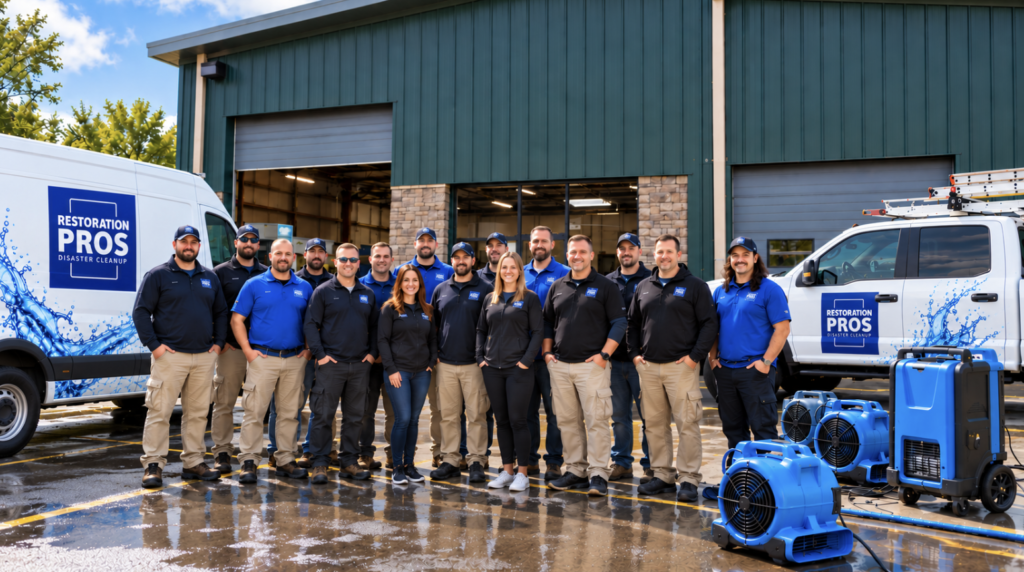
Mold Removal in Edmonds, Washington
Visible mold, a musty odor, or dark staining needs more than a quick surface cleaning. Our mold removal team helps homeowners, landlords, property managers, and commercial property owners identify the moisture problem, protect unaffected areas, and remove affected materials in a controlled way. We work in basements, bathrooms, attics, crawl spaces, rental properties, condominiums, offices, and other buildings.
We start by looking for the reason mold developed. Common causes include plumbing leaks, roof leaks, foundation moisture, condensation, high humidity, poor ventilation, and past water damage. Our technicians inspect the area, use moisture meters to locate hidden dampness, and explain what they find before cleanup begins.
The work plan focuses on the source, the affected materials, and the condition of the surrounding space. We document moisture readings and visible conditions, protect contents and access paths, and keep you informed as the project moves from inspection through controlled removal, HEPA cleaning, drying, and repair planning.
Need Restoration Help in Edmonds? Call (425) 270-4424
How Our Mold Remediation Process Works
First, we review the history of the moisture problem and map the affected areas. We inspect drywall, insulation, flooring, wood framing, cabinetry, carpet, attic materials, and other surfaces for visible growth or hidden dampness. This assessment helps separate surface staining from materials that need removal and shows where the moisture source still needs attention.
Next, we contain the work area to limit the spread of dust and debris. Our IICRC certified techs use containment materials, HEPA filtration, air scrubbers, and negative-air equipment when the site requires that level of control. Dehumidifiers support drying after the moisture source is corrected. Equipment placement is planned around occupants, contents, electrical areas, and clear paths through the property.
We remove affected drywall, insulation, carpet, or other materials that cannot be cleaned. Materials that remain receive HEPA cleaning and suitable surface cleaning. Wood framing, subfloors, cabinets, and other porous materials receive a closer review because their condition affects the repair plan. We do not treat visible growth while leaving an active leak or ongoing moisture problem unresolved.
After cleaning, we check the affected areas again and explain the remaining work. Repair planning may include drywall replacement, flooring work, insulation replacement, painting, or finish carpentry. Photos, moisture readings, and removal notes give you a clearer record of the property's condition and help landlords, managers, and owners track what was inspected and what still needs repair.
Mold Remediation for Commercial Properties
Commercial cleanup requires attention to access, occupied areas, equipment placement, and business interruption. Our team coordinates work zones around employees, tenants, inventory, and unaffected rooms while keeping the affected area contained. We also plan how equipment and removed materials move through the building without blocking important access routes.
In mixed-use buildings, offices, and other commercial spaces, moisture can affect more than one tenant area or floor. We inspect nearby spaces when the building layout or shared systems make that necessary, document the affected conditions, and explain which areas need cleaning, drying, or repair planning.
Commercial Mold Remediation
Mold in an office, retail property, or multifamily building can involve occupied spaces, shared walls, and ongoing moisture sources. We inspect the affected area, identify moisture conditions, and plan containment and removal around the building layout.
Our team documents the affected areas and explains the remediation plan before work moves forward. The goal is to address the source and affected materials while limiting unnecessary disruption to areas outside the work zone.
Frequently Asked Questions
What should I do if I see mold in my Edmonds property?
Limit disturbance of the affected area and arrange an assessment. Our team looks for visible growth, hidden moisture, and the source that allowed the mold to develop before recommending cleanup.
What causes mold to grow indoors?
Mold grows when moisture remains in or around building materials. Plumbing leaks, roof leaks, foundation moisture, condensation, high humidity, poor ventilation, and past water damage are common causes.
Do you remove mold from drywall and insulation?
Yes. We assess drywall, insulation, flooring, carpet, framing, cabinetry, and other materials. Materials that cannot be cleaned are removed in a controlled way, while salvageable surfaces receive HEPA and surface cleaning.
How do you prevent mold debris from spreading?
We contain the work area and use HEPA filtration, air scrubbers, and negative-air equipment when the site requires it. Equipment and work paths are planned around occupants, contents, and unaffected areas.
Do you find the moisture source before mold removal?
Yes. We inspect for leaks, condensation, poor ventilation, foundation moisture, and other conditions that support mold growth. Correcting the moisture source is part of preventing the problem from returning.
Can mold affect a rental property or condominium?
Yes. Mold can affect rental homes, apartments, and condominiums. Shared walls, roofs, utilities, or drainage systems require a review of nearby areas, along with clear documentation for owners and property managers.
What happens after mold cleanup?
We check the affected areas again, document the work, and explain remaining repairs. The repair plan may include drywall, flooring, insulation, painting, or finish carpentry.
Do commercial properties need a different mold cleanup plan?
Commercial properties need planning around occupants, tenant spaces, inventory, access, and business operations. We establish work zones, place equipment carefully, protect unaffected areas, and document conditions for the property owner or manager.